Betfred Shop Closures Tied Directly to Tax Increases on Regulated UK Betting Operations
Written by Klara Günther · Aug 1, 2026

Betfred Shop Closures Tied Directly to Tax Increases on Regulated UK Betting Operations
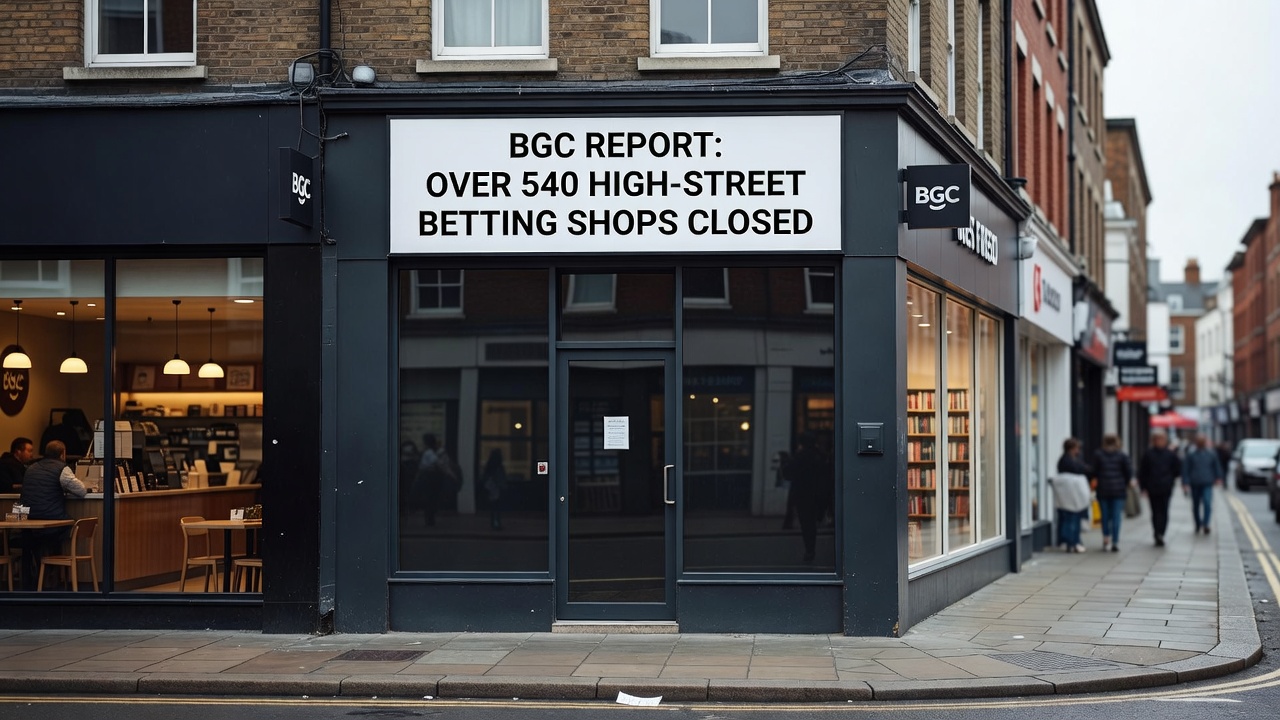
The Betting and Gaming Council released a statement this summer that connects recent Betfred betting shop closures straight to tax increases imposed by the UK government on the regulated betting and gaming sector. Those closures, according to the Council, carry direct effects on employment numbers, high street retail activity, ongoing investment levels, and financial support streams for British horseracing. The same statement points out that such outcomes also shift activity toward the unregulated black market.Details from the Council Statement
The announcement from the Betting and Gaming Council frames the Betfred decisions as immediate results of higher tax burdens placed on operators within the licensed market. Data referenced in the release shows multiple shop locations facing sustained pressure after the most recent Budget measures took effect, and the Council notes that these pressures have already led to reduced staffing and site rationalisation across several regions.
Observers note that the closures follow explicit warnings issued during the prior year's Budget discussions, where industry representatives outlined potential job losses and reduced contributions to racing prize money if tax rates climbed further. The Council statement revisits those earlier projections while presenting the current round of closures as confirmation of the forecasts.
Measured Impacts on Employment and Local Businesses
Employment figures tied to the affected shops indicate hundreds of positions placed at risk once sites close their doors. The Betting and Gaming Council highlights that many of these roles supported local economies through wages spent in surrounding retail and service outlets. High street footfall data collected by trade bodies shows betting shops historically drawing consistent daily visitors who also patronise nearby stores, creating a multiplier effect that diminishes when locations shut down.
Investment plans previously announced by operators have been scaled back in response to teh tax changes. Capital that might have funded refurbishments or technology upgrades now faces reallocation or delay, according to statements released alongside the Council announcement. Those who've tracked capital expenditure trends in the sector report slower rollout of new terminals and digital integration projects at remaining sites.
Effects on Horseracing Funding Streams
British horseracing receives a portion of its prize money and levy contributions from regulated betting operators. The Betting and Gaming Council statement records that shop closures reduce the overall volume of bets processed through licensed channels, which in turn trims the amounts directed toward racing. Industry reports compiled in the months leading into August 2026 already projected shortfalls in levy payments if physical retail outlets continued to decline at the current pace.
Trainers, jockeys, and racecourse operators who depend on these funding mechanisms now face tighter budgets for events scheduled through the remainder of the year. The Council release includes references to correspondence with racing authorities that details the expected drop in contributions once the latest round of Betfred closures completes.
Shift Toward Unregulated Markets
The statement also addresses the parallel growth of the black market. Operators outside the licensed system avoid the same tax obligations, allowing them to offer different odds or promotions that attract customers who previously used regulated shops. Evidence gathered by enforcement agencies in other jurisdictions, such as those monitored by Canada Revenue Agency gaming oversight teams, shows similar patterns where higher domestic tax rates coincide with increased offshore or illegal activity.
Customer migration data referenced by the Council indicates that a measurable share of former shop patrons has moved to unregulated platforms since the tax adjustments began. This movement reduces the visibility of play for harm-prevention tools and removes tax revenue that would otherwise return to public coffers.
Context from Previous Budget Warnings
During the Budget cycle that preceded the current tax increases, multiple industry submissions warned of exactly these outcomes. The Betting and Gaming Council and affiliated groups submitted figures showing projected shop viability thresholds under different tax scenarios. The latest closures align closely with the higher-tax scenario outlined in those earlier documents.
Retail analysts tracking high street performance note that betting shops already operate on narrow margins once taxes, rents, and staffing costs are factored in. The additional levy has pushed a subset of locations below break-even points, prompting the decisions announced by Betfred.
Conclusion
The Betting and Gaming Council statement presents the Betfred closures as a direct illustration of how tax policy changes affect the regulated betting sector. The documented consequences span employment, high street vitality, racing funding, and the balance between licensed and unlicensed markets. Figures released alongside the announcement provide concrete examples of sites affected and the scale of contributions previously generated by those locations. As the situation develops through August 2026, further updates from the Council and affected operators are expected to track ongoing adjustments in the retail betting landscape.