From Pub Bets to Pixel Plays: Emerging Patterns Reshaping Britain's Wager Markets
Written by Otto Coleman · Aug 13, 2026

UK Betting Retail Sector Reports Shop Closures and Workforce Reductions After Budget Tax Shifts
The Betting and Gaming Council has released figures showing more than 540 high-street betting shops closed since the previous Budget introduced tax changes, with around 4,500 jobs lost in that same period. These numbers add to an ongoing pattern of decline that began earlier, where roughly 3,000 additional shops and 15,000 positions disappeared between 2019 and the start of the most recent tax adjustments.
Industry representatives point directly to higher taxes adn operating costs as the main drivers behind the latest wave of closures. The council notes that retail betting operations now face pressures that affect staffing levels, shop maintenance, and long-term planning for physical locations across towns and cities.
Scale of Recent Changes in Retail Betting
Observers note that the 540 shops represent a concentrated drop over roughly one year, while the cumulative losses since 2019 reflect broader shifts in how betting companies structure their businesses. Many operators combine physical shops with online platforms, which means reductions in one area influence investment decisions across both channels. Data released by the Betting and Gaming Council shows the sector still supports around 109,000 jobs nationwide and contributes more than £4 billion in annual tax revenues, figures that highlight the remaining economic footprint even after the documented reductions.
Those who have tracked retail betting locations report that closures often occur in secondary high streets where footfall has already fallen. When a shop shuts, nearby businesses sometimes experience knock-on effects because betting customers no longer stop in the same clusters. The council has warned that further tax-related costs could accelerate this pattern and limit new investment in upgraded premises or technology upgrades at remaining sites.
Industry Response and Government Position
The Betting and Gaming Council has criticised official statements that minimise the link between tax policy and shop numbers. According to the council’s announcement, downplaying these effects overlooks how integrated retail and online models operate in practice, where profits from one side frequently support the other. The body argues that sustained pressure on retail margins reduces the ability to maintain a visible high-street presence that many customers still use for certain types of betting.
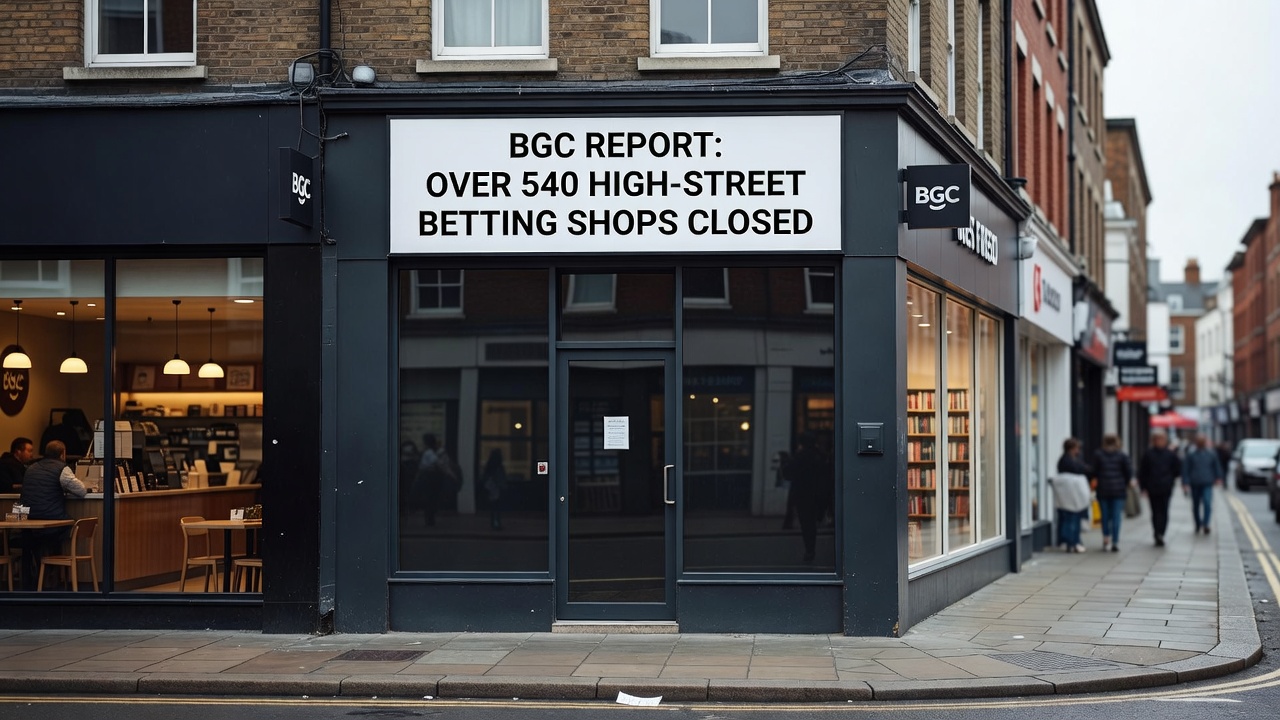
Figures from the same report indicate that the combined loss of 3,540 shops since 2019 and 19,500 positions over the same span has concentrated in certain regions. Areas with higher numbers of independent or smaller chains appear more exposed, whereas larger operators with diversified online revenue have sometimes absorbed losses by shifting resources rather than closing every location. The council emphasises that any additional cost increases would likely prompt further reviews of shop portfolios and staffing models.
Longer-Term Trends and Sector Contribution
Since 2019 the retail betting landscape has changed steadily, with the most recent Budget measures adding momentum to an existing downward curve. The council’s data places the total shop count reduction at approximately 3,540 locations and job losses at 19,500 positions across both the pre- and post-Budget periods. At the same time the sector continues to generate substantial tax income, a point the industry body uses to illustrate the balance between regulatory costs and fiscal returns.
Integrated business models mean that decisions about physical shops affect online product development and customer service teams, which often sit in the same corporate structure. When retail margins tighten, companies reallocate spending toward digital channels that carry different cost profiles. The Betting and Gaming Council states that this reallocation can limit the resources available for maintaining older high-street sites or opening new ones in growing residential areas.
Conclusion
The numbers released by the Betting and Gaming Council document a clear contraction in high-street betting shops and associated employment since the last Budget tax changes, building on earlier reductions that date back to 2019. The industry body links these outcomes to rising taxes and operating costs while underscoring the sector’s remaining contribution of roughly 109,000 jobs and more than £4 billion in yearly tax revenue. Further details appear in the council’s public statement at the Betting and Gaming Council announcement, which also addresses how integrated retail-online operations shape future investment choices.