Independent Commission Begins Examination of Gambling Act 2005 Amid Technological and Market Shifts
Written by Otto Wagner · Nov 13, 2026

Independent Commission Begins Examination of Gambling Act 2005 Amid Technological and Market Shifts
The Gambling Policy Commission opened its review on November 9, 2026, to determine whether the Gambling Act 2005 continues to address current conditions in the sector, and the process focuses on advances such as artificial intelligence applications, cryptocurrency transactions, and the growth of prediction markets alongside changes in product offerings and patterns of consumer participation.
Scope of the Review and Key Areas Under Scrutiny
Observers note that the commission will evaluate the effects of recent tax adjustments and the reforms outlined in the 2023 White Paper, while it also plans to assess gambling-related harm, the scale of illicit gambling operations, and the connections between betting activities and sports sponsorship arrangements. Researchers, consumers, industry representatives, regulators, and policymakers have received an invitation to submit evidence, with the deadline set for February 12, 2027, and the final report scheduled for release during 2028.
Those familiar with the process point out that the review addresses multiple intersecting developments at once, because technological tools now shape how operators present products and how users engage with them, and data from various sources already indicate that consumer behavior has evolved since the original legislation took effect.
Leadership and Expertise Behind the Commission
Professor Jagjit Chadha of the University of Cambridge serves as chair of the newly formed independent body, and Professor James Reade from the University of Reading acts as chief economist, bringing academic perspectives on economic modeling and regulatory analysis to the examination. The commission operates separately from existing government structures, which allows it to gather input across sectors without direct affiliation to any single regulatory agency.
Call for Evidence and Timeline Details
Evidence submissions will cover the full range of topics listed in the commission's terms, and participants can provide data, case studies, or analytical reports that address either technological impacts or broader questions around harm and enforcement. The extended period between the November 2026 launch and the 2028 report date gives contributors time to compile detailed responses, while the commission itself can conduct follow-up consultations if initial materials reveal gaps in coverage.
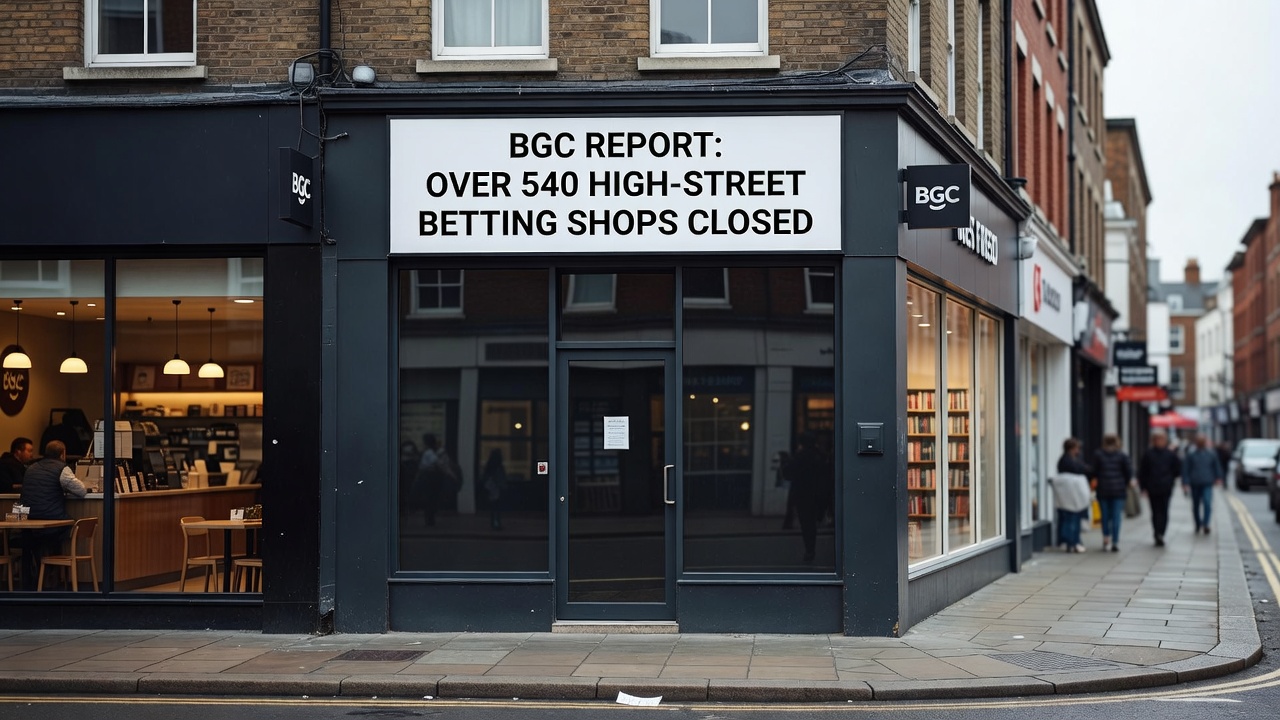
According to the announcement, the call for evidence remains open to anyone with relevant information, and the commission has indicated that it will weigh submissions from academic studies alongside practical accounts from those who interact with gambling services on a regular basis. Figures on participation trends and enforcement outcomes already appear in public records, and the review offers an opportunity to update those records with more recent observations.
Context of Technological and Market Developments
Technological changes have introduced new product formats and transaction methods that the 2005 Act did not anticipate at the time of its drafting, and the commission will examine whether current licensing and oversight mechanisms remain adequate under these conditions. Prediction markets, for instance, operate on platforms that blend elements of traditional betting with financial-style contracts, and cryptocurrency options create additional questions around traceability and consumer protection standards.
Industry data referenced in regulatory discussions show that consumer preferences have shifted toward mobile and instant-access formats, while enforcement agencies continue to track unlicensed operators that target UK residents from offshore locations. The review will incorporate analysis of these patterns without presupposing outcomes, and contributors have been asked to supply evidence that can distinguish between licensed and unlicensed activity volumes.
Conclusion
The commission's work begins at a moment when multiple strands of regulatory, technological, and behavioral change intersect, and the structured timeline from evidence collection through to the 2028 report allows for systematic consideration of each element. Updates on submission volumes and interim findings are expected to appear on official channels as the process advances, providing ongoing visibility into how the review incorporates information from across the sector.