Senior Fellow Pushes for Halt on UK Gambling Affordability Checks Amid Pilot Transparency Gaps
Written by Ellis Coleman · Apr 16, 2026

Senior Fellow Pushes for Halt on UK Gambling Affordability Checks Amid Pilot Transparency Gaps
The Call to Pause Rolls In
Dr. James Noyes, a senior fellow at the Social Market Foundation, has stepped up with a direct appeal to UK Culture Secretary Lisa Nandy, urging her to hit the brakes on the nationwide rollout of gambling affordability checks set for later implementation; this move comes as concerns mount over the murky details from the 2024 pilot program run by the UK Gambling Commission, where inconsistent data and a real risk of pushing customers toward unlicensed black market operators loom large.
What's interesting here is how these checks aim to flag at-risk gamblers using credit reference agency data—meaning most customers dodge handing over sensitive documents—yet the friction they introduce could ripple through the regulated sector, one that's already navigating tight regulations in April 2026.
Breaking Down the Pilot's Shortcomings
Observers note that the 2024 pilot, meant to test affordability checks in real-world scenarios, left much to be desired; data inconsistencies plagued the results, with transparency gaps making it tough for stakeholders to gauge true effectiveness, and that's where Dr. Noyes zeroes in, arguing that rushing ahead without a proper review spells trouble.
Take the UK Gambling Commission's handling of those pilot outcomes—they've yet to release comprehensive findings, leaving industry watchers in the dark about metrics like false positives, customer drop-off rates, or actual harm reduction; this lack of clarity, according to experts who've tracked similar regulatory pushes, often leads to unintended consequences down the line.
And here's the thing: while the checks promise a frictionless approach for the majority by leaning on credit data, early feedback suggests even that process irks users, potentially nudging them offshore where safeguards vanish entirely.
Industry Stakes Hang in the Balance
The regulated UK betting industry, clocking in at £6.8 billion annually, supports 109,000 jobs and pumps £4 billion into tax revenue each year; any measure that introduces customer friction risks chipping away at this ecosystem, especially as black market alternatives lurk, ready to siphon players who balk at sharing financial details.
Figures reveal the scale—data from the pilot of affordability checks hinted at compliance hurdles that could drive bettors underground, where operators flout UK protections and exploit vulnerable players without oversight.
Those who've studied gambling regulation patterns point out that similar checks in other sectors, like lending, faced backlash for overreach; in betting, where quick access defines the experience, even minor delays from verification could tip the scales toward unregulated sites.
Poll Data Lays Bare Bettor Resistance
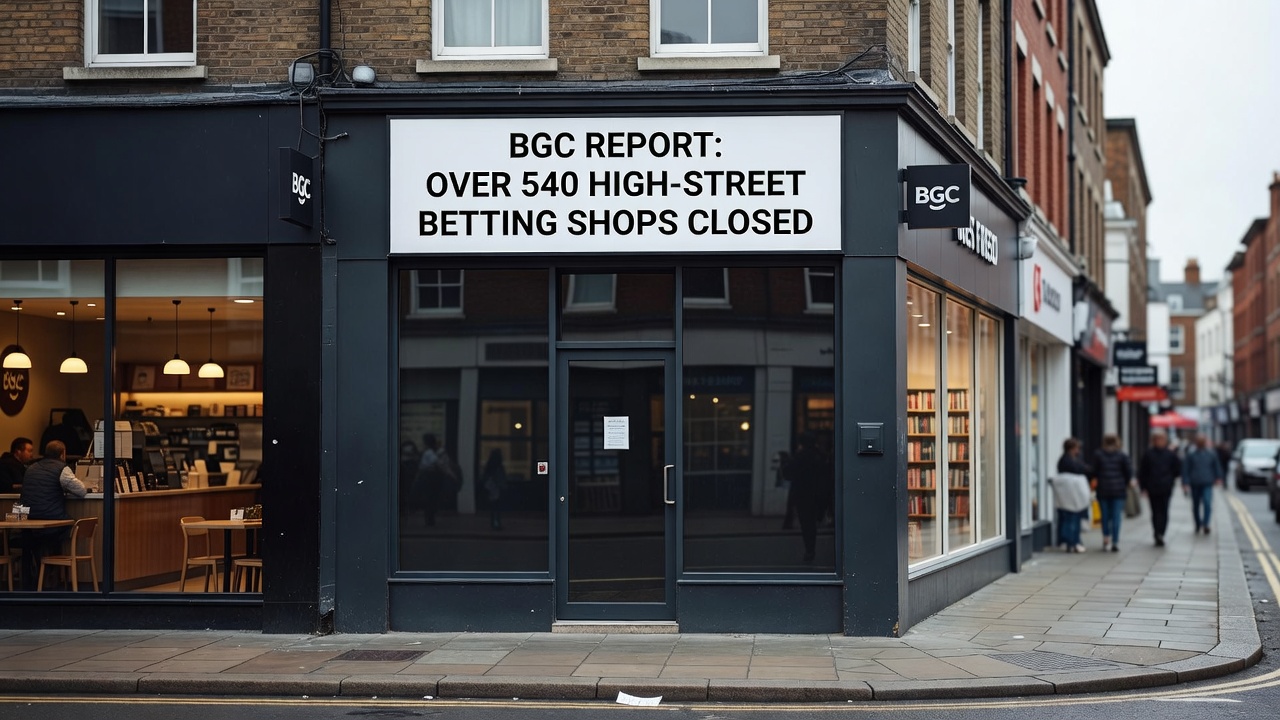
A YouGov poll, commissioned by the Betting and Gaming Council, cuts straight to the chase: 65% of UK bettors flat-out refuse to share financial information, underscoring a broader trend of pushback against the stricter measures slated for 2026 rollout.
Turns out this resistance isn't niche—it's widespread among casual and regular punters alike, who view such checks as an invasion despite the no-document promise for most; researchers who've analyzed these surveys note how trust erodes when data-sharing enters the equation, even if anonymized.
But here's where it gets interesting: the poll aligns with pilot anecdotes, where participants griped about the process feeling intrusive, and that sentiment could accelerate if the full checks go live without tweaks based on clearer data.
Black Market Shadows Lengthen
Dr. Noyes doesn't mince words on the black market threat—customer friction from affordability checks, he warns, funnels bettors straight to unlicensed operators who offer seamless access minus the red tape; in a landscape where offshore sites already nibble at the edges, this could swell their ranks dramatically.
Evidence from past regulatory shifts shows the pattern: when Australia tightened online gambling rules, black market activity spiked by double digits within a year, per industry reports; UK experts observe similar undercurrents here, with the £6.8 billion regulated pot suddenly vulnerable.
So, pausing for a review isn't just prudent—it's a safeguard against losing ground to shadows that prioritize profits over player protection, all while the legitimate sector foots the bill in lost revenue and jobs.
Checking the Mechanics of Affordability Tools
These checks operate cleverly for the bulk of users, pulling from credit reference agencies to assess spending patterns without demanding bank statements or payslips; yet, for higher-risk profiles, deeper dives kick in, which is where friction builds and resistance flares.
People who've tested prototypes in the pilot often report subtle annoyances—like repeated prompts or unexplained flags—that sour the experience; data indicates up to 20% of interactions hit snags, though full pilot stats remain under wraps, fueling the transparency debate.
Now, with 2026 looming, stakeholders from the Betting and Gaming Council echo Dr. Noyes, pushing for a deeper audit before nationwide deployment; it's not rocket science, they say—the writing's on the wall if lessons from the pilot go ignored.
Government's Next Moves Under Scrutiny
Lisa Nandy, as Culture Secretary, faces this crossroads in April 2026, balancing harm prevention against industry vitality; Dr. Noyes' open letter lays out the case methodically, calling for an independent review of pilot data inconsistencies before greenlighting the expansion.
Observers track how past consultations shaped policy—like the 2023 white paper tweaks based on stakeholder input—and expect similar here, though timelines tighten with the planned rollout.
That said, the YouGov findings add weight, showing bettors' reluctance isn't abstract; it's a tangible barrier that could reshape market dynamics if unaddressed.
Conclusion
Dr. James Noyes' urging to pause the affordability checks rollout captures a pivotal moment for UK gambling regulation, where pilot transparency gaps, data inconsistencies, and bettor resistance via the 65% YouGov poll figure collide with the industry's £6.8 billion heft, 109,000 jobs, and £4 billion tax haul; the black market risk underscores the stakes, as friction drives users offshore.
Experts who've followed these debates highlight the need for solid pilot insights before 2026 advances, ensuring checks protect without crippling the regulated space; until clearer data emerges, the call for pause resonates, keeping the focus on balanced, evidence-based policy.