UK Bettors Show Rising Interest in Prediction Markets as Key Events Loom
Written by Riley Hughes · Jul 30, 2026

UK Bettors Show Rising Interest in Prediction Markets as Key Events Loom
The Guardian reports that prediction markets such as Polymarket have started attracting attention from UK bettors in July 2026, driven by high-profile events including the upcoming 2026 World Cup and the Clacton by-election. Observers note that participants are finding ways around domestic restrictions to place wagers on these platforms, which allow users to buy and sell shares tied to specific outcomes rather than traditional fixed-odds bets. Data from the story indicates this activity stands in contrast to the established volumes recorded through official UK sports betting channels, where figures from the Gambling Commission show steady participation across licensed operators.
Events Fueling the Shift
The 2026 World Cup creates numerous contract categories on prediction markets, ranging from team advancement to individual player performances, and the Clacton by-election adds a political dimension that draws traders focused on candidate results. Those who follow these platforms point out that the structure lets users trade positions throughout an event, creating liquidity that differs from static odds offered by conventional bookmakers. Researchers tracking market activity have observed increased volume around these dates, with UK-based accounts appearing despite rules that limit access to overseas sites without local licenses.
Bypassing Domestic Regulations
UK users reportedly access platforms like Polymarket through methods that sidestep requirements set by the Gambling Commission, whose oversight applies to operators holding British licenses. The report highlights that this circumvention occurs even as licensed sportsbooks maintain substantial turnover, with official statistics revealing billions in annual wagers across football, horse racing, and other sports. Experts have observed that prediction markets operate under different regulatory frameworks in jurisdictions where they are permitted, allowing features such as real-time share trading that appeal to participants seeking alternatives to standard betting formats.
Comparison to US Market Growth
The Guardian piece raises questions about whether similar expansion seen in the United States could occur in teh UK, where prediction markets have gained traction following regulatory changes in several states. Data indicates US volumes have risen sharply in election years and around major sporting events, yet the article contrasts this pattern with UK conditions that include stricter licensing and advertising limits on gambling products. Those who've examined the differences note that American platforms often integrate with broader financial systems, whereas UK participants must navigate additional barriers to reach offshore prediction sites.
Official UK Sports Betting Context
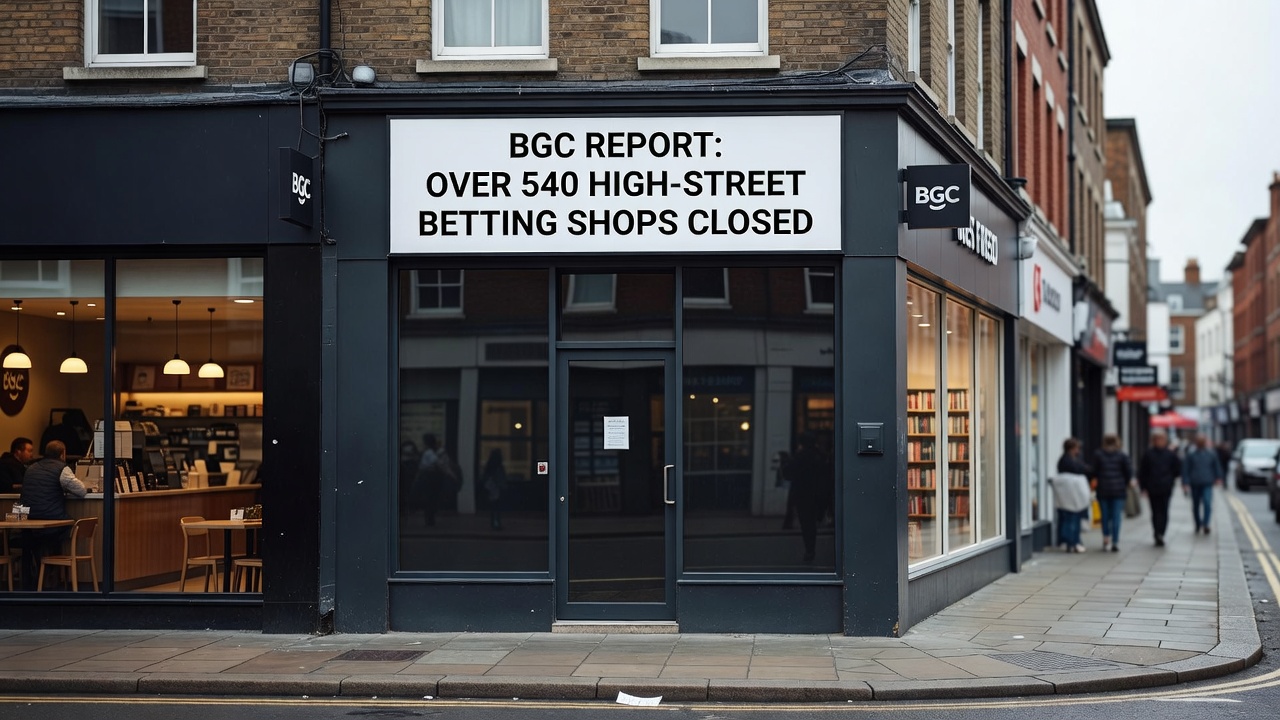
According to statistics referenced in the coverage, licensed UK sports betting continues to handle large volumes through established operators, with the Gambling Commission publishing regular updates on turnover and participation rates. The report positions prediction market activity as an emerging layer rather than a replacement, noting that many traditional bettors remain within the regulated system. Observers note that events like the 2026 World Cup and Clacton by-election may accelerate interest, but the scale remains smaller compared with the cumulative figures reported across all licensed channels.
Platform Mechanics and User Behavior
Prediction markets function by allowing traders to purchase contracts that pay out based on verified results, with prices fluctuating according to supply and demand. The Guardian article describes how UK users engage with these mechanics on international platforms, often monitoring multiple contracts tied to the same event for hedging opportunities. Figures reveal that liquidity on major contracts can reach significant levels during peak periods, attracting participants who value the ability to exit positions before an outcome is finalized. This approach differs from the fixed-odds model common in UK sports betting, where wagers are typically settled only at the conclusion of play.
Regulatory Questions Raised
The coverage examines whether current UK rules can accommodate or restrict further growth in prediction market participation. Regulators have maintained that all gambling activity targeting British residents must comply with licensing standards, yet the report documents cases where users reach platforms hosted outside these requirements. Those monitoring the sector point to ongoing discussions about enforcement tools and international cooperation that could affect access. Meanwhile, official data continues to track volumes through licensed routes, providing a baseline against which any expansion of alternative platforms can be measured.
Conclusion
The Guardian article presents a snapshot of UK bettors engaging with prediction markets around the 2026 World Cup and Clacton by-election while operating outside standard regulatory pathways. It sets this activity against the backdrop of established sports betting volumes reported by the Gambling Commission, without indicating whether the pattern will mirror US developments. The facts outlined show a growing but distinct segment of interest that operates alongside, rather than displacing, the licensed market.