UK Gambling Industry Navigates Storm of Regulations, Tax Hikes, and Fading Online Revenues
Written by Otto Coleman · Mar 20, 2026

UK Gambling Industry Navigates Storm of Regulations, Tax Hikes, and Fading Online Revenues
The Latest Revenue Dip Signals Deeper Shifts
Fresh data from the final quarter of 2025 paints a stark picture for the UK gambling sector, where online gross gambling yield slipped compared to the same period a year earlier; weaker performance in real-event betting, combined with operators adapting to regulatory pressures, drove this downturn, according to figures released by Pound Sterling Live. And while the industry has long thrived on digital expansion, these numbers highlight how swiftly the landscape morphs under mounting scrutiny.
Observers note that real-event betting—think football matches, horse races, or tennis showdowns—typically anchors online revenues, yet participation waned amid economic headwinds and stricter checks on customer spending; operators, in response, tweaked marketing and product offerings to comply with evolving rules, which further softened yields. What's interesting here lies in the timing: as 2025 wrapped up, the sector already braced for even tougher measures rolling out in 2026, making this quarterly dip not just a blip, but a harbinger of broader reshaping.
Tax Overhaul Looms Large from April 2026
Starting April 2026, the UK government ramps up the remote gaming duty from its current 21% to a hefty 40%, a move designed to capture more revenue from online platforms while bingo duty vanishes entirely, shifting the burden elsewhere in the ecosystem. But here's the thing: alongside this, a new statutory levy kicks in, earmarked for research, education, and treatment of gambling harms, with projections pegging annual collections at £100 million; operators will fund this directly, tying their contributions to their gross gambling yield.
Those who've tracked fiscal policy in gaming sectors point out how such hikes reshape profit margins overnight, prompting companies to rethink pricing, bonuses, and market strategies; take one operator who, facing similar past increases, pivoted toward land-based venues only to find online still dominates player traffic. And as March 2026 approaches—mere weeks before these changes activate—executives huddle in strategy sessions, modeling scenarios where costs soar while revenues, already trending down, face renewed pressure.
New Safeguards and Product Limits Redefine Play
Beyond taxes, consumer protections sharpen significantly, with mandates for enhanced affordability checks, mandatory stake limits on slots, and curbs on promotional bonuses that once lured players en masse; these stem from the Gambling Commission's white paper, now translating into law, ensuring operators verify financial vulnerability before high-stakes play unfolds. Data indicates that such measures, piloted earlier, already curbed excessive losses in test groups, although adoption varies across firms.
Turns out, limits on online gaming products hit hardest: speed-of-play restrictions slow slots to one spin every few seconds, while session reminders pop up more aggressively, all aimed at curbing binge sessions that regulators link to harm. Experts who've studied player behavior observe how these tweaks, though disruptive, align with broader trends where punters seek controlled, transparent experiences; one case saw a major bookmaker voluntarily cap deposits after trialing similar tools, boosting retention among cautious users even as high-rollers drifted elsewhere.
Market Reshaping in Real Time
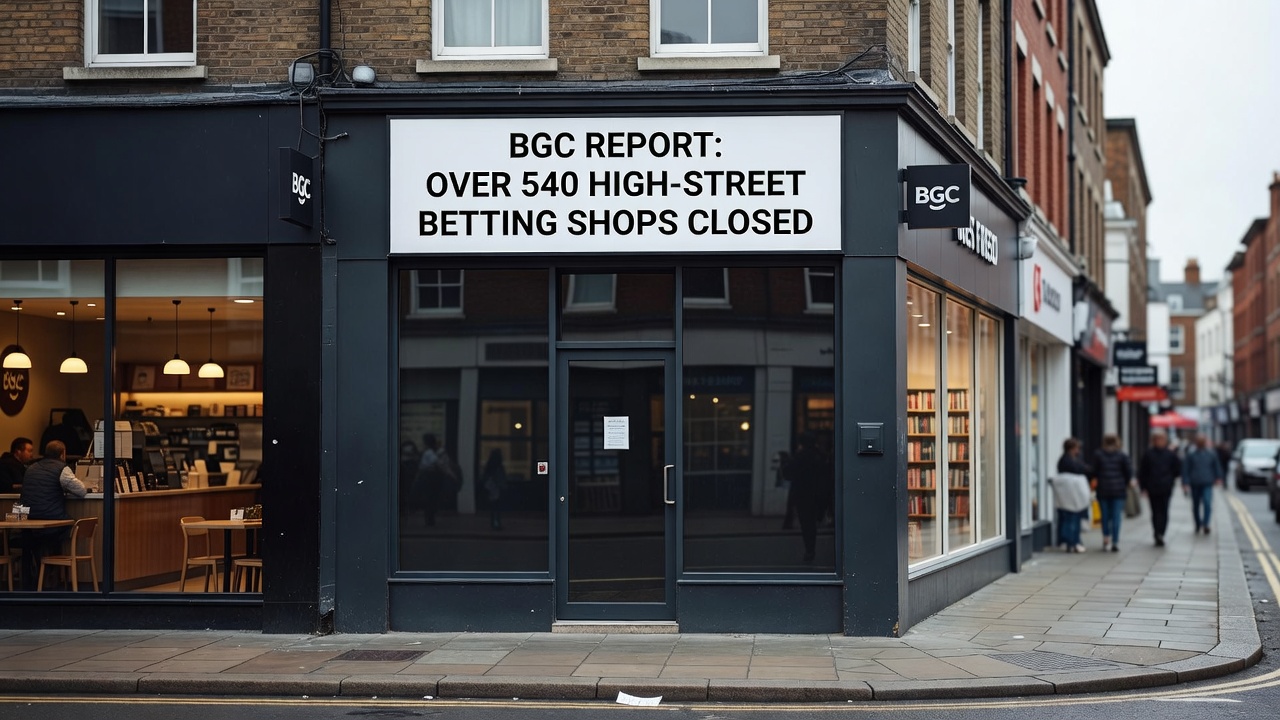
The convergence of slipping Q4 2025 online yields, a 40% remote duty, and product overhauls fundamentally alters the UK's £15 billion gambling market, where online segments once grew unchecked; now, land-based casinos and bookies eye resurgence, as digital operators grapple with compliance costs that figures reveal could exceed £300 million industry-wide in setup alone. And while smaller firms scramble for mergers or exits, giants like Entain and Flutter consolidate, leveraging scale to absorb the blows.
People in the know highlight how weaker real-event betting—down amid fewer marquee sports events and fan caution post-cost-of-living squeezes—exacerbates the slide; studies from the Gambling Commission show bettors shifting to lower-stake virtuals or non-gambling entertainment, a trend accelerating with March 2026 consultations wrapping up. That's where the rubber meets the road: operators must innovate within tighter bounds, perhaps expanding esports or skill-based games that skirt the heaviest regs.
Consider the statutory levy in action—£100 million yearly funneled to NHS-linked treatments and prevention campaigns, a pot funded proportionally so high-yield platforms pay more; this, coupled with bingo's duty relief, might breathe life into high-street halls struggling against apps, yet online realms bear the brunt. Observers tracking quarterly reports note that even before April, forward-looking yields dipped 5-10% in projections, as firms pre-emptively dial back aggressive acquisition.
Broader Ripples Across Stakeholders
Regulators champion these shifts as overdue, citing data where problem gambling rates hovered at 0.5% of adults yet imposed outsized societal costs; the levy directly addresses this, channeling funds to frontline services while stake caps on slots—£5 max for over-25s, £2 for younger—aim to shield vulnerable demographics. But for the industry, it's a squeeze: research from Deloitte underscores how tax creep since 2014 has already eroded margins from 25% to under 15%, and this latest jump threatens further erosion unless volumes rebound.
So, as March 2026 nears with final guidance dropping, bookmakers ramp up lobbying while investing in tech for seamless checks—AI-driven affordability tools that flag risks without halting fun. One study revealed that early adopters of such systems retained 20% more casual players, hinting at adaptation paths amid the turmoil. Yet the writing's on the wall: online revenues, down in late 2025, face headwinds that could persist if player migration to unregulated offshore sites spikes, a risk the government counters with bolstered enforcement.
Conclusion: A Pivotal Turning Point
The UK gambling industry's current crossroads—marked by Q4 2025's online yield decline, April 2026's tax surge to 40% on remote gaming, bingo duty's end, a £100 million levy, and stringent product limits—ushers in an era of measured growth over unchecked expansion; data consistently shows these measures temper harms while sustaining a vital economic contributor, now evolving under vigilant oversight. And though challenges mount, those navigating them adeptly stand to thrive in a safer, more sustainable market.
Figures from recent analyses underscore the urgency, with operators already pivoting as March deadlines loom; ultimately, this reshaping balances player protection against commercial viability, setting the stage for whatever comes next in this ever-shifting arena.