UK Gambling Shifts: Fresh Data on Digital Wagers and Market Moves This Season
Written by Riley Hughes · Jul 30, 2026

UK Gambling Commission Issues Third Annual GSGB Report Tracking Participation and Trends
The UK Gambling Commission released its third annual Gambling Survey for Great Britain in July 2026, delivering fresh statistics on how consumers engage with betting and other gambling activities throughout the region. This regulatory document builds directly on prior editions by monitoring participation rates, behavioral patterns, and emerging shifts in a market that includes sports betting, casino games, and lotteries. Observers note that the survey provides regulators, operators, and researchers with consistent metrics collected from a large sample of adults across England, Scotland, and Wales.
Survey Scope and Methodology Updates
Data collection for the latest edition followed established protocols that combine online panels with in-person interviews to reach a representative cross-section of the population, and the resulting figures reveal steady year-over-year tracking of key indicators such as frequency of play, preferred channels, and demographic breakdowns. Researchers structured the questionnaire to capture both online and land-based activity while distinguishing between different product types including fixed-odds betting terminals, remote sports wagering, and bingo. Because the survey runs annually, analysts can now compare three complete data sets that show how participation has responded to regulatory changes implemented since 2023.
Key Participation Metrics Highlighted in the Report
Overall gambling participation remains widespread yet stable according to the third GSGB release, with roughly half of adults reporting some form of engagement in the past four weeks. Betting on sports continues to represent one of the more visible categories, particularly among younger male respondents who favor mobile apps for placing wagers on football and horse racing. The figures also track problem gambling prevalence through standardized screening tools, allowing direct comparison with earlier waves to assess whether harm levels have moved in line with participation changes. Separate tables break down engagement by region, income bracket, and ethnicity so that policymakers can identify pockets where uptake or risk appears concentrated.
Behavioral Trends and Channel Shifts
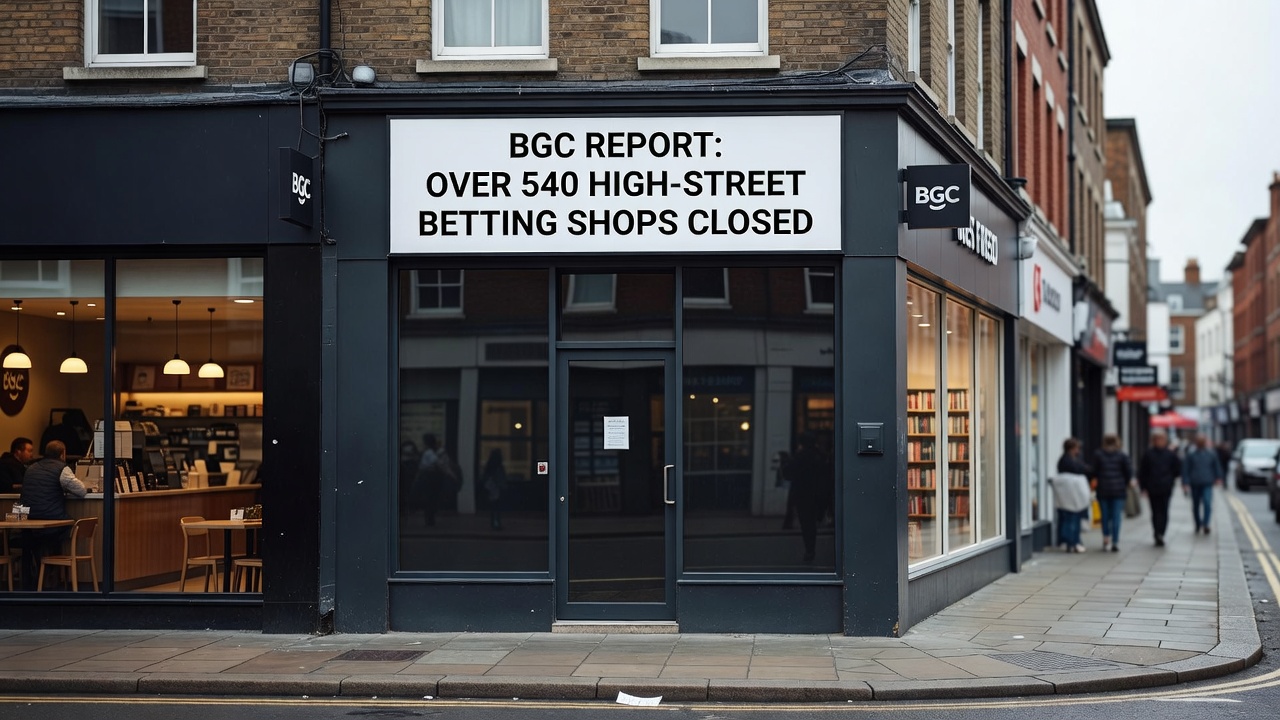
One section of the report examines how players move between online and retail environments, and data shows continued migration toward smartphone-based betting while physical betting shops maintain a core customer base among older demographics. The survey records average session length, deposit frequency, and use of responsible gambling tools such as deposit limits and time-outs. Those who've studied the raw responses observe that self-exclusion registrations have increased modestly since the previous edition, coinciding with wider promotion of multi-operator self-exclusion schemes. Meanwhile, the proportion of respondents who report gambling more than once a week has held steady, suggesting that heavier engagement has not accelerated despite expanded advertising and product innovation.
Implications for Industry Stakeholders
Operators receive detailed appendices that allow them to benchmark their own customer data against national averages, and several major betting firms have already referenced the survey when discussing compliance strategies with the Commission. Trade associations note that the third edition strengthens the evidence base for future policy consultations on stake limits, advertising restrictions, and affordability checks. Because the survey now spans three years, longitudinal analysis becomes possible, revealing whether certain interventions such as mandatory deposit limits correlate with measurable reductions in high-risk play. The Commission has indicated that future waves will retain core questions while adding modules on emerging products like esports betting and cryptocurrency wagering.
Regional Variations and Demographic Insights
Scotland records slightly higher participation in casino-style games compared with England, whereas Wales shows stronger engagement with lottery draws, according to the regional splits contained in the full dataset. Age remains a strong predictor of activity type, with 18- to 34-year-olds driving much of the growth in mobile sports betting while those over 55 continue to favor traditional draw-based products. Gender gaps persist across most categories, although the survey documents a gradual narrowing in online bingo participation. Income data indicate that lower earners spend a higher share of disposable income on gambling when they participate, prompting renewed discussion among public health researchers about targeted harm-prevention messaging.
Conclusion
The third annual Gambling Survey for Great Britain supplies regulators and researchers with an updated, comparable dataset that documents participation, behaviors, and trends as of 2026. By maintaining consistent methodology across multiple years, the Commission enables evidence-based evaluation of existing rules and identification of areas requiring further attention. Stakeholders can access the full report and accompanying data tables directly from the regulator's site, while additional analyses from academic partners are expected in the coming months.