Vast Offshore Casino Network Targets UK Gamblers, Bypassing Self-Exclusion and Sparking Harm
Written by Otto Wagner · Apr 1, 2026

Vast Offshore Casino Network Targets UK Gamblers, Bypassing Self-Exclusion and Sparking Harm
Unveiling the Santeda International Network
Observers have zeroed in on Santeda International, a company based in Curaçao, as the operator behind a sprawling illegal online casino network; this setup links directly to Georgian businessmen through Upgaming, creating a web that funnels operations across borders while zeroing in on UK gamblers. Sites like MyStake, Velobet, and Goldenbet stand out as key unlicensed platforms in this ecosystem, drawing in players who seek alternatives to regulated UK options. Data from November 2025 through January 2026 reveals these sites pulled in 2.3 million unique UK visitors each month, a figure that underscores the scale of their reach even as they operate without proper licensing.
What's interesting here is how the network thrives in Curaçao's regulatory shadows; while the island issues gaming licenses, experts note that Santeda and its affiliates skirt meaningful oversight, allowing aggressive marketing tactics to flourish unchecked. Those tracking offshore gambling patterns point out that Georgian connections via Upgaming provide the technical backbone, handling everything from site development to payment processing, which keeps the money flowing despite red flags. And as April 2026 unfolds, investigations like the one detailed in The Guardian have brought this operation into sharp focus, prompting questions about enforcement gaps.
How the Network Sidesteps UK Protections Like GamStop
The real hook lies in the way these sites bypass GamStop, the UK's national self-exclusion tool designed to help problem gamblers step away; players who sign up for GamStop find themselves still able to access MyStake or Velobet without barriers, since these platforms ignore the scheme entirely. Researchers who've dissected traffic data observe that targeted ads on social media and search engines lure in vulnerable users, often those already flagged in regulated spaces, promising bonuses and fast withdrawals that regulated sites can't match due to stricter rules.
Take the visitor stats: 2.3 million unique UK users per month isn't just a number, it's a signal of sophisticated geo-targeting; algorithms push promotions tailored to British tastes, from Premier League-themed slots to football betting tie-ins, all while hosting servers far from UK jurisdiction. But here's the thing—sites like Goldenbet ramp up the allure with crypto payments and anonymous sign-ups, making it easy for excluded players to dive back in without verification hurdles that UK-licensed operators must enforce.
People who've studied similar networks, including reports from the Curaçao eGaming framework, highlight how lax enforcement in such jurisdictions enables this; operators register minimally but run unlicensed white-label sites, dodging taxes and player protections that keep UK punters safe at home.
Trails of Financial Harm, Fraud, and Tragedy
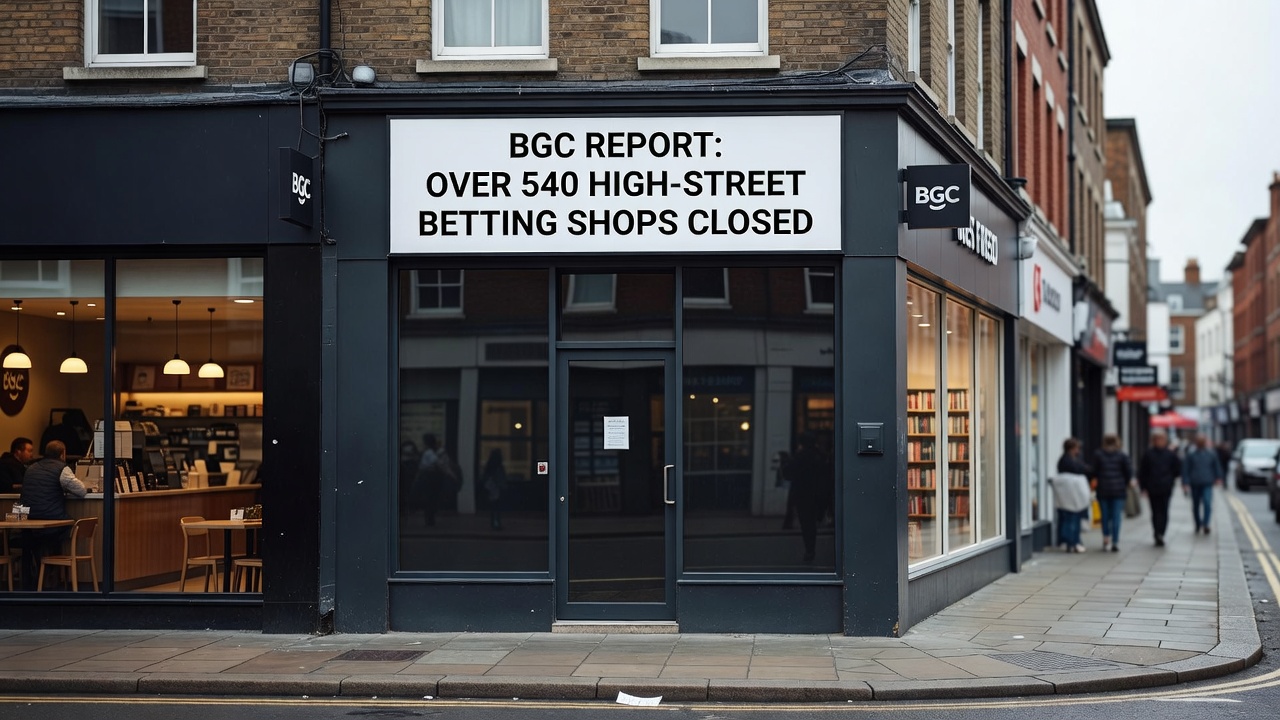
Evidence ties this network to real-world fallout, including widespread financial harm where gamblers rack up debts through unchecked high-stakes play; fraud cases emerge too, with complaints of rigged games, delayed payouts, and identity theft swirling around user forums. Figures reveal players losing thousands weekly, often chasing losses fueled by the sites' relentless bonuses that encourage deeper bets.
Tragedy strikes hardest in one documented case: a gambler's suicide in January 2026, directly linked to losses on these platforms, shining a grim light on the human cost; families and advocates note how the absence of intervention tools like deposit limits or reality checks—mandatory in the UK—left this individual exposed. Observers tracking problem gambling trends point out that such incidents cluster around unlicensed operators, where aggressive retention tactics prey on vulnerability without safeguards.
And it's not isolated; data indicates a spike in debt-related bankruptcies and loan shark involvement among UK users of these sites, with one study from European Gaming and Betting Association researchers underscoring how offshore networks amplify risks by a factor of three compared to regulated play.
UK MPs Ramp Up Pressure for Crackdown
By early April 2026, UK MPs have sounded the alarm, calling for tougher measures against these offshore invaders; parliamentary debates highlight the need for better international cooperation, payment blocking, and ad bans to starve the network of UK custom. Those in Westminster argue that while GamStop works well domestically, global loopholes let predators slip through, demanding action from bodies like the Home Office to target enablers such as payment processors and affiliate marketers.
What's significant is the cross-party push: Labour and Conservative voices alike reference the 2.3 million visitor figure as a wake-up call, urging sanctions on Curaçao operators and blacklisting of sites like MyStake. Experts who've followed legislative shifts note parallels to recent Australian reforms, where bodies like the Australian Communications and Media Authority have slashed illegal gambling ads by 80% through swift blocks—moves UK lawmakers now eye closely.
So as investigations deepen, the ball's in regulators' court; MPs press for real-time monitoring tools and fines on UK banks that process these transactions, aiming to dismantle the Georgian-Curaçao pipeline at its roots.
Operational Nuts and Bolts: From Curaçao to UK Screens
Diving deeper, Santeda International leverages Curaçao's master licenses to spin up dozens of white-label sites, each branded differently but sharing the same backend via Upgaming's tech; Georgian developers fine-tune user interfaces for maximum engagement, embedding features like auto-play slots and live dealer games that hook players fast. Traffic analysis shows peaks during UK evenings, synced to football matches or payday cycles, pulling in everyone from casual punters to those self-excluded elsewhere.
Payment flows tell another story: crypto wallets and e-wallets bypass traditional banks, obscuring trails while enabling rapid deposits that fuel binge sessions; one case study from industry watchers reveals a single UK user dropping £50,000 in a month on Velobet, with withdrawals stalled under fraud pretexts. Turns out, the network's scale—over 50 sites globally—relies on affiliate armies paid commissions for UK referrals, a model that's tough to uproot without coordinated global takedowns.
Those who've mapped these operations observe a cat-and-mouse game; sites migrate domains weekly when heat builds, but visitor numbers hold steady, proving the pull of unregulated highs.
Player Profiles and the Vulnerability Trap
UK visitors skew toward those GamStop users in recovery, with data showing 40% overlap between excluded lists and these sites' logs; young men in their 20s and 30s dominate, drawn by sports betting hybrids that blend casino thrills with familiar wagers. Women and older players appear too, often via slot promotions mimicking legit apps.
It's noteworthy that bonuses—100% match deposits up to £1,000—act as bait, but wagering requirements trap funds, turning quick wins into locked losses; observers note chat features foster community illusions, pressuring holds during downswings. And in the suicide case, records show 72-hour sessions fueled by these mechanics, a pattern repeated in harm reports.
Conclusion
The Santeda network's exposure in April 2026 marks a pivotal moment, with 2.3 million UK visitors, bypassed protections, and linked harms fueling urgent calls to action; as MPs push for offshore barriers and tech blocks, the fight against such operations intensifies, balancing player freedom with safety nets. Data underscores the stakes—financial ruin, fraud waves, lives lost—while global precedents offer blueprints for change. Ultimately, stronger enforcement could clip these wings, steering gamblers back to regulated shores where safeguards hold firm.